Gaming laptops have evolved significantly, offering performance that rivals desktop systems in a portable form factor. Understanding the components that contribute to speed and smooth gameplay is essential for anyone looking to purchase or optimize a gaming laptop. This article explores the hardware and software factors that influence performance, from the graphics processing unit (GPU) and central processing unit (CPU) to cooling systems and display characteristics. It also provides practical guidance on adjusting settings to enhance the gaming experience.
The realm of gaming laptops is vast, with numerous configurations and technologies that can be overwhelming. However, by focusing on key elements such as the graphics card, processor, memory, storage, and thermal management, users can make informed decisions. Additionally, optimizing in-game and system settings can have a significant impact on frame rates and overall responsiveness. This resource aims to demystify these aspects, offering a neutral and comprehensive overview of what contributes to high-performing gaming laptops.
Hardware Foundations: The GPU and CPU
The graphics processing unit (GPU) is often considered the most critical component for gaming performance. It handles rendering images, textures, and effects, directly affecting frame rates and visual quality. Modern gaming laptops typically feature dedicated GPUs from NVIDIA or AMD, offering a range of performance levels. The GPU’s architecture, number of cores, memory bandwidth, and VRAM capacity all play vital roles in how well a laptop can handle demanding games.
Equally important is the central processing unit (CPU), which manages game logic, physics calculations, and AI interactions. A powerful CPU ensures that the GPU is fed with data efficiently, preventing bottlenecks. Intel Core i7/i9 and AMD Ryzen 7/9 are popular choices, with core counts and clock speeds influencing performance. When considering a gaming laptop, it is essential to look at the balance between GPU and CPU, as an underpowered CPU can limit the GPU’s potential.
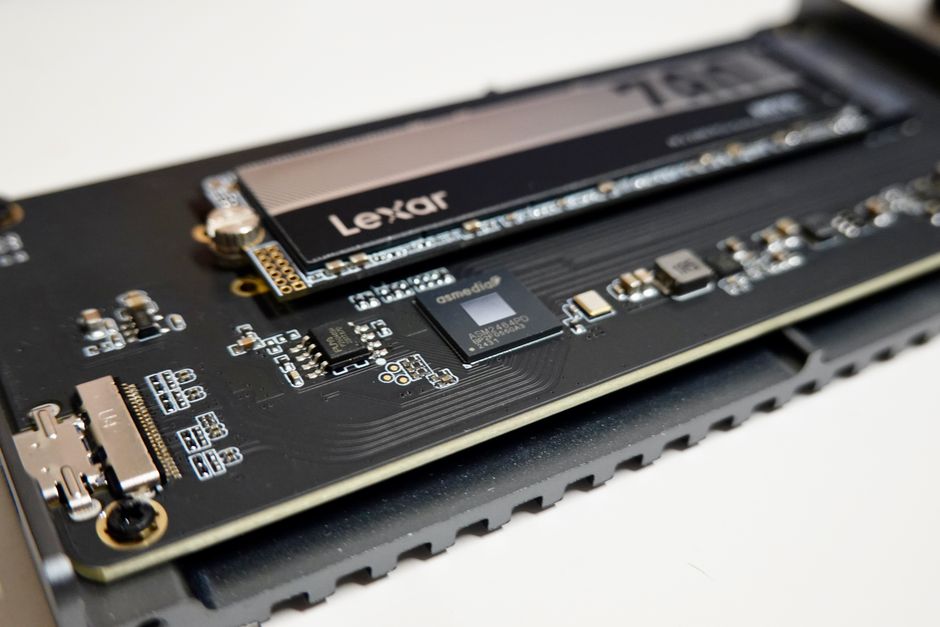
Memory (RAM) and storage also impact gaming performance. Ample RAM (16GB or more) allows for smooth multitasking and reduces loading stutters. Solid-state drives (SSDs) significantly reduce load times and provide faster read/write speeds compared to traditional hard drives, enhancing overall system responsiveness. The combination of a strong GPU, CPU, RAM, and SSD creates a solid foundation for gaming.
Cooling Systems: Sustaining Performance
Thermal management is a critical aspect of gaming laptops due to their compact size. High-performance components generate significant heat, which can lead to thermal throttling, where the hardware reduces its clock speeds to prevent overheating, thereby decreasing performance. Effective cooling systems are designed to dissipate heat efficiently, allowing the laptop to maintain stable performance during extended gaming sessions.
Manufacturers employ various cooling technologies, including multiple heat pipes, vapor chambers, and strategically placed fans. Some laptops feature customizable fan curves or dedicated cooling modes that can be adjusted based on load. Adequate airflow is essential, and the design of the laptop’s chassis and vents plays a role in heat dissipation. Users should also consider external cooling pads or elevate the laptop to improve ventilation.
Understanding cooling solutions is important because sustained performance is often more valuable than peak performance. A laptop that can maintain high frame rates without thermal throttling will deliver a more consistent gaming experience. Proper cooling also contributes to the longevity of the hardware.
Display and Refresh Rate: Smooth Visuals
The display is the direct interface between the user and the game, and its characteristics significantly impact perceived performance. A high refresh rate (e.g., 144Hz or 240Hz) allows for smoother motion and reduces motion blur, which is particularly beneficial in fast-paced games. Additionally, a fast response time minimizes ghosting artifacts.
Resolution also matters; higher resolutions like 1440p or 4K require more GPU power to drive, potentially lowering frame rates. Many gaming laptops offer a balance with 1080p displays, which are less demanding and allow for higher frame rates. Features like G-Sync or FreeSync help synchronize the display’s refresh rate with the GPU’s output, reducing screen tearing and stuttering.
For immersive gaming, color accuracy and brightness are also relevant, but for performance-focused users, refresh rate and response time take precedence. Choosing a laptop with a display that matches the capabilities of the hardware ensures that the visual experience is not hampered by display limitations.
Optimizing In-Game Settings
Software optimization is equally important as hardware. Games often have a variety of graphical settings that can be adjusted to balance visual fidelity and performance. Tweaking these settings can yield significant improvements in frame rates. Common adjustments include reducing shadow quality, anti-aliasing, and texture details, which can be demanding on the GPU.
Each game has its own performance-impacting settings, and understanding their effects allows users to tailor the experience. For instance, turning off motion blur or reducing view distance can lighten the load. Additionally, disabling unnecessary background processes and updating drivers can enhance stability and performance. NVIDIA and AMD regularly release driver updates that can optimize games.
Benchmarking tools and in-game performance monitors can help identify bottlenecks and measure the impact of changes. By systematically adjusting settings and observing frame rates, users can find a configuration that suits their preferences. It is advisable to prioritize frame rate over ultra settings in competitive games, while single-player titles may allow for higher visual quality at lower frame rates.
System-Level Tuning and Maintenance
Beyond game-specific settings, system-level adjustments can influence performance. Power settings should be set to high performance, and the laptop should be plugged in for maximum performance, as battery mode often reduces clocks. Overclocking, either through BIOS or software utilities, can push hardware beyond stock speeds, but it requires careful consideration of cooling and stability.
Regular maintenance, such as cleaning dust from vents and ensuring proper ventilation, can prevent performance degradation over time. Updating the operating system and drivers is essential for compatibility and security. Monitoring software can track temperatures and system usage, aiding in diagnosing issues.
Users may also consider optimizing Windows for gaming by disabling visual effects or enabling Game Mode. However, these tweaks should be approached with care, as they may have minimal impact. The goal is to achieve a stable and responsive system that provides a satisfying gaming experience.
Performance in gaming laptops is a result of a harmonious balance between hardware capabilities, thermal management, and software optimization. By understanding these elements and applying practical adjustments, users can maximize the potential of their systems.
In summary, the key to better gaming laptop performance lies in selecting robust components, managing heat effectively, and fine-tuning settings. A powerful GPU and CPU, along with adequate RAM and fast storage, form the basis. Cooling solutions ensure sustained performance, while display characteristics affect visual smoothness. System and in-game optimizations allow users to tailor the experience to their preferences. By considering all these factors, gamers can enjoy an enhanced experience without necessarily upgrading to the most expensive model.
As technology advances, gaming laptops continue to push boundaries, making it possible to play AAA titles on the go. Keeping abreast of hardware trends and optimization techniques can help users make the most of their investment, ensuring that their gaming sessions are as smooth and enjoyable as possible.